 International
  Bahrain
  Cambodia
  China
China  Hong Kong
  India
India  Indonesia
  Ireland
  Italy
Italy  Japan
Japan  Malaysia
  New Zealand
  Philippines
  Singapore
  South Africa
  Taiwan
  Thailand
  United Arab Emirates
  United Kingdom
  United States
  Vietnam
 -
Services --
-
- Digital Solutions
- Document Scanning and Indexing
- Digital Contract Management
- Digital Invoice Processing
- Digital Mailroom
- Employee Management System (HRDMS)
- Visitor Management System (VIZIO)
- Enterprise Content Management (ECM)
- Information Consulting
- Employee Onboarding
- Digital Signatures
- Fixed Asset Management
- Crown Cloud Services (Cloud Hosting)
- Workflow Automation
- ROT Data Management
- Subject Access Requests (SARs) Management
-
 Digital Solutions
  Records Management
  Secure Destruction
TL;DR
Effective storage and filing solutions help organisations:
✅ Save valuable office space
✅ Improve document retrieval times
✅ Strengthen compliance and governance
✅ Reduce operational costs
✅ Manage records throughout their lifecycle
Modern solutions combine secure physical storage, digital document management, retention scheduling, and secure destruction to create a complete information management strategy.

What Are Storage and Filing Solutions?
Storage and filing solutions are the systems, processes, and technologies used to organise, store, retrieve, manage, and dispose of business records and documents.
Traditionally, filing solutions referred to physical filing cabinets, archive rooms, and paper-based records. Today, organisations typically require a combination of:
- Physical document storage
- Digital document management
- Records retrieval services
- Retention management
- Secure destruction
The goal is simple: ensure the right information is available to the right people at the right time while maintaining compliance and security throughout the record lifecycle.
Why Are Storage and Filing Solutions Important?
Many organisations underestimate the impact that poor records management can have on productivity, compliance, and operating costs.
Common challenges include:
- Employees spending excessive time searching for files
- Overcrowded office storage areas
- Duplicate documents and outdated records
- Inconsistent retention practices
- Increased compliance and security risks
Without a structured filing system, information quickly becomes difficult to manage and even harder to retrieve when needed.
The Different Types of Storage and Filing Solutions
-
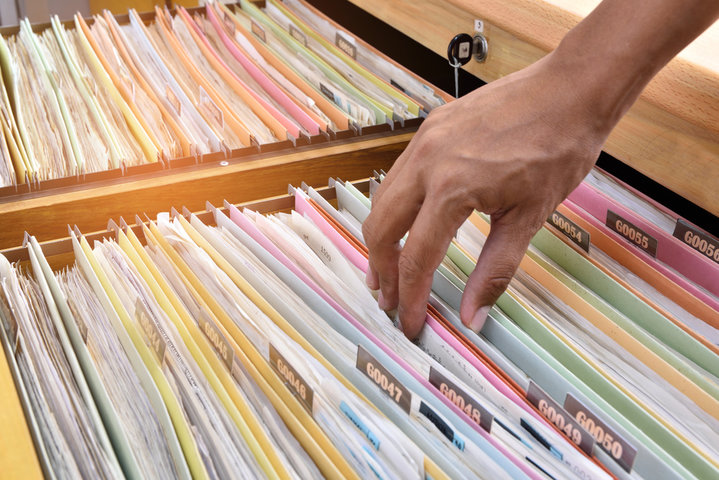
Physical Document Storage
Many organisations still rely on paper records for legal, regulatory, or operational reasons.
Secure off-site document storage provides:
- Controlled access
- Full audit trails
- Environmental protection
- Secure retrieval services
- Retention management
Clients often have paper records on-site and off-site at multiple locations and find it difficult to track their records. At Crown Information Management, we offer live file tracking solutions that will cover on & offsite, providing you with live audit trails.
-
Digital Filing Systems
Digital filing solutions allow organisations to store and access documents electronically.
Benefits include:
- Faster retrieval
- Remote access
- Improved collaboration
- Reduced reliance on paper
- Better version control
Digitised documents can be indexed and searched instantly, helping teams find information quickly and efficiently.
Beyond improving access to information, digital filing systems can also act as a foundation for wider workflow automation initiatives. By integrating documents into automated processes such as approvals, reviews, and information requests, organisations can reduce manual effort, improve consistency, and streamline day-to-day operations.
Effective filing solutions should also support information throughout its entire lifecycle. Automated retention scheduling can be applied to both digital and physical records, helping organisations ensure information is retained for the appropriate period before being securely and compliantly destroyed when no longer required.

-
Hybrid Storage Solutions
For many businesses, the best approach combines physical and digital records management.
A hybrid model enables organisations to:
- Store physical archives securely
- Digitise records when needed
- Access information on demand
- Manage retention schedules consistently
This approach allows businesses to modernise at their own pace without disrupting operations.
What Should Businesses Look for in a Storage and Filing Solution?
Consider the following:
Security
Sensitive information must be protected from loss, theft, unauthorised access, and damage.
Look for:
- Access controls
- Secure facilities
- Audit trails
- Monitored environments
Accessibility
Information only delivers value when it can be found.
A good filing solution should provide:
- Fast retrieval
- Search functionality
- Clear indexing
- Digital access options
Compliance
Storage and filing systems should support compliance with:
- GDPR
- Industry regulations
- Internal retention policies
- Audit requirements
Retention scheduling and documented destruction processes are essential components of compliant records management.
Scalability
As organisations grow, information volumes increase.
A scalable storage solution should be able to accommodate:
- Additional records
- New departments
- Business acquisitions
- Digital transformation initiatives
How Storage and Filing Solutions Support Compliance
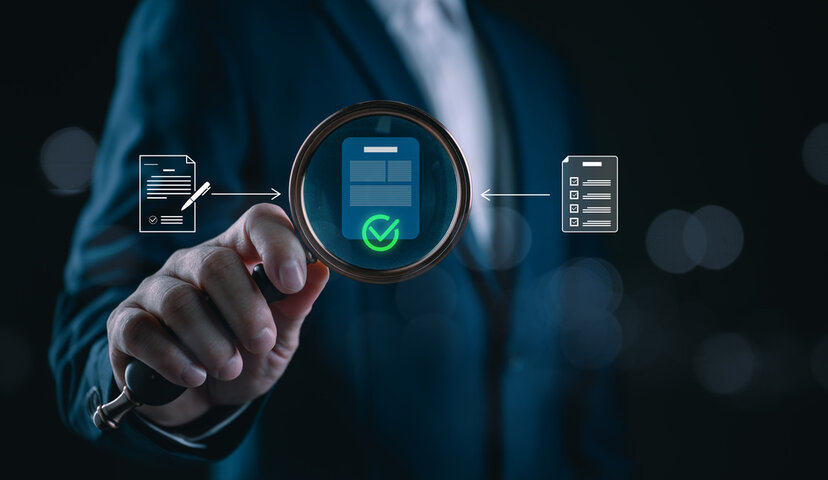
One of the biggest misconceptions is that filing systems are simply about organisation.
In reality, they play a critical role in governance and risk management.
Well-managed records help organisations:
- Demonstrate compliance
- Respond to audits
- Locate information quickly
- Apply retention schedules consistently
- Dispose of records securely when no longer required
This reduces the risk of over-retention, lost documents, and regulatory breaches.
The Role of Secure Destruction
A storage strategy is incomplete without a destruction strategy.
Keeping records longer than necessary can create unnecessary risk and cost.
Once records reach the end of their retention period, secure destruction ensures information is permanently removed while providing a documented audit trail. Certificates of destruction can also support compliance and audit requirements.
Frequently Asked Questions (FAQ's)
Storage and filing solutions are the systems, processes, and services used to organise, store, retrieve, manage, and eventually dispose of business records and documents. They can include everything from secure off-site document storage and physical filing systems to digital document management platforms and records retention programmes.
Effective storage and filing solutions help organisations improve efficiency, maintain compliance, reduce risk, and ensure information remains accessible when it is needed.
Effective storage and filing solutions help organisations improve efficiency, maintain compliance, reduce risk, and ensure information remains accessible when it is needed.
Document storage focuses specifically on the secure preservation and retrieval of records, whether physical or digital. Its primary goal is to ensure information is protected and can be accessed when required.
Document management takes a broader approach, covering the entire information lifecycle. This includes document capture, indexing, storage, retrieval, access control, retention management, compliance, and secure destruction. In short, storage is one component of a wider document management strategy.
Document management takes a broader approach, covering the entire information lifecycle. This includes document capture, indexing, storage, retrieval, access control, retention management, compliance, and secure destruction. In short, storage is one component of a wider document management strategy.
The answer depends on the organisation's operational, legal, and regulatory requirements. While many businesses are moving towards digital-first environments, physical records are still required in certain sectors and for specific document types.
For many organisations, a hybrid approach offers the best of both worlds. Physical records can be securely stored off-site while digital copies provide fast access, improved searchability, and greater operational efficiency. This allows businesses to modernise at a pace that suits their needs and budget.
For many organisations, a hybrid approach offers the best of both worlds. Physical records can be securely stored off-site while digital copies provide fast access, improved searchability, and greater operational efficiency. This allows businesses to modernise at a pace that suits their needs and budget.
Well-managed storage and filing solutions help organisations maintain control over their information and demonstrate compliance with regulations such as GDPR and industry-specific requirements. They provide clear audit trails, controlled access, structured retention schedules, and secure retrieval processes.
By ensuring information is organised and governed throughout its lifecycle, businesses can reduce the risk of lost records, over-retention, data breaches, and difficulties responding to audits or information requests.
By ensuring information is organised and governed throughout its lifecycle, businesses can reduce the risk of lost records, over-retention, data breaches, and difficulties responding to audits or information requests.
Once records have reached the end of their retention period, they should be securely destroyed in accordance with company policies and regulatory requirements. Simply keeping records indefinitely can increase storage costs and create unnecessary compliance risks.
Professional destruction services ensure documents are disposed of securely and confidentially, often providing a certificate of destruction as evidence that records have been destroyed in a compliant manner. This helps organisations maintain strong information governance practices while reducing risk.
Professional destruction services ensure documents are disposed of securely and confidentially, often providing a certificate of destruction as evidence that records have been destroyed in a compliant manner. This helps organisations maintain strong information governance practices while reducing risk.
What Could You Do With the Space You Gain?
When organisations think about digitising records or moving archives off-site, the immediate benefits are often improved accessibility, compliance, and security. But there’s another advantage that’s easy to overlook: reclaiming valuable workspace.
Every filing cabinet, archive room, or storage cupboard occupies space that could be put to far better use. Whether it’s creating additional workstations, collaborative meeting areas, client-facing spaces, or simply providing employees with a more open and productive working environment, freeing up office space can deliver tangible business value.
For organisations looking to reduce property costs, accommodate growth, or improve the workplace experience without relocating, reviewing how records are stored can be a simple yet highly effective first step. By combining secure off-site storage with digitisation where appropriate, businesses can unlock space that supports both operational efficiency and future growth.
Final Thoughts
The most effective storage and filing solutions do more than organise documents. They help organisations reduce risk, improve efficiency, support compliance, and gain greater control over their information.
Whether you’re managing paper archives, digital records, or a combination of both, a structured approach to information management can deliver significant operational and compliance benefits.
Ready to take control of your business information?
Speak to Crown Information Management about secure storage, digital filing, document scanning, and records management solutions tailored to your organisation.
Get in touch today!