 International
  Bahrain
  Cambodia
  China
China  Hong Kong
  India
India  Indonesia
  Ireland
  Italy
Italy  Japan
Japan  Malaysia
  New Zealand
  Philippines
  Singapore
  South Africa
  Taiwan
  Thailand
  United Arab Emirates
  United Kingdom
  United States
  Vietnam
  Document Management
  Digital Solutions
  Secure Destruction
 What Is Document Scanning & Indexing?
DDocument scanning and indexing is the process of converting physical documents into digital records that are easier to store, access, and manage within your organization.It typically includes:
- High-resolution scanning to capture accurate digital copies
- OCR (Optical Character Recognition) to enable keyword-based search
- Indexing and metadata tagging for structured organization
- Secure storage or integration into digital document management systems
Why Is Document Scanning & Indexing Important?
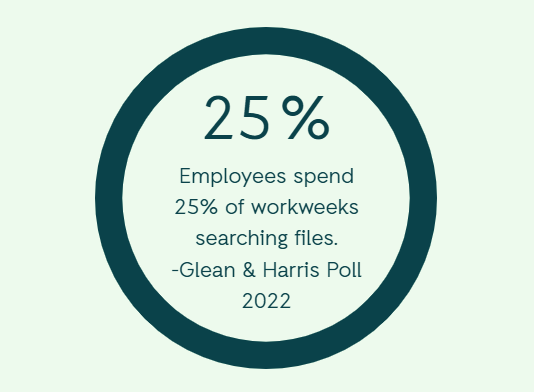
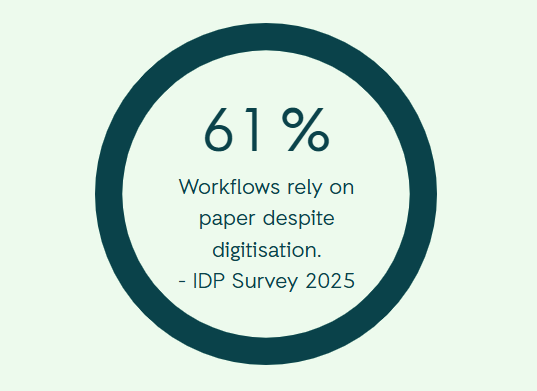
Many organizations in the Philippines continue to manage large volumes of paper records across offices, warehouses, and branches. This often leads to slower retrieval, higher storage costs, and limited visibility over how documents are accessed or shared. Paper-based processes can also create delays when teams need to collaborate.
Digitization helps address these challenges by turning physical records into usable digital assets. It supports faster retrieval, improves document control, and reduces dependency on manual handling. It also helps mitigate risk in a country regularly affected by tropical cyclones and flooding. PAGASA notes an average of around 20 tropical cyclones enter the Philippine Area of Responsibility each year—events that can disrupt operations and damage or destroy physical records. Document indexing becomes a practical step toward better information management and operational efficiency.
Who Is This For?
Document scanning and indexing is applicable across many industries and business functions, particularly for organizations that still depend on paper-based records. As businesses expand and digital transformation progresses, effectively managing physical documents becomes more essential.
| Industry | Typical Documents | Primary Need |
| Finance & Banking | Loan files, contracts, compliance records | BSP audit readiness and compliance |
| Healthcare | Patient records, lab reports, consent forms | DOH compliance, data privacy under the Data Privacy Act of 2012, fast retrieval |
| Legal | Case files, contracts, correspondence | Client confidentiality, secure retention, searchable legal archives |
| HR & Corporate | Employee files, onboarding docs, payroll records | Data Privacy Act (DPA) compliance, controlled role-based access |
| Education | Student records, transcripts, admissions | CHED/DepEd compliance, long-term retention, space optimization |
| Professional Services | Client reports, invoices, project files | Efficient retrieval, reduced admin overhead |
Key Features
| Feature | What It Means for Your Business |
| High-Volume Scanning | Digitize large archives efficiently without disrupting daily operations |
| OCR & Searchability | Locate documents quickly using keywords or content-based search |
| Indexing & Metadata | Organize records by department, date, or document type |
| Secure Digital Storage | Store files in controlled, access-managed environments |
| Retrieval Support | Access business-critical information faster when needed |
| Audit Trail Support | Maintain visibility over document access and handling (where the system supports logging) |
Our Solutions

Bulk Document Digitization
We support large-scale scanning projects through a structured and managed process. This helps organizations reduce paper dependency, free up space, and transition to more efficient digital operations.

Searchable Document Indexing
Documents are enhanced with OCR and metadata to improve searchability and organization. Teams can quickly locate records without manually reviewing files, improving efficiency across departments.
Secure Digital Access & Storage
Digitized records are managed in controlled environments that support access control and information governance. This ensures that sensitive documents remain protected while still accessible to authorized users.
How It Works
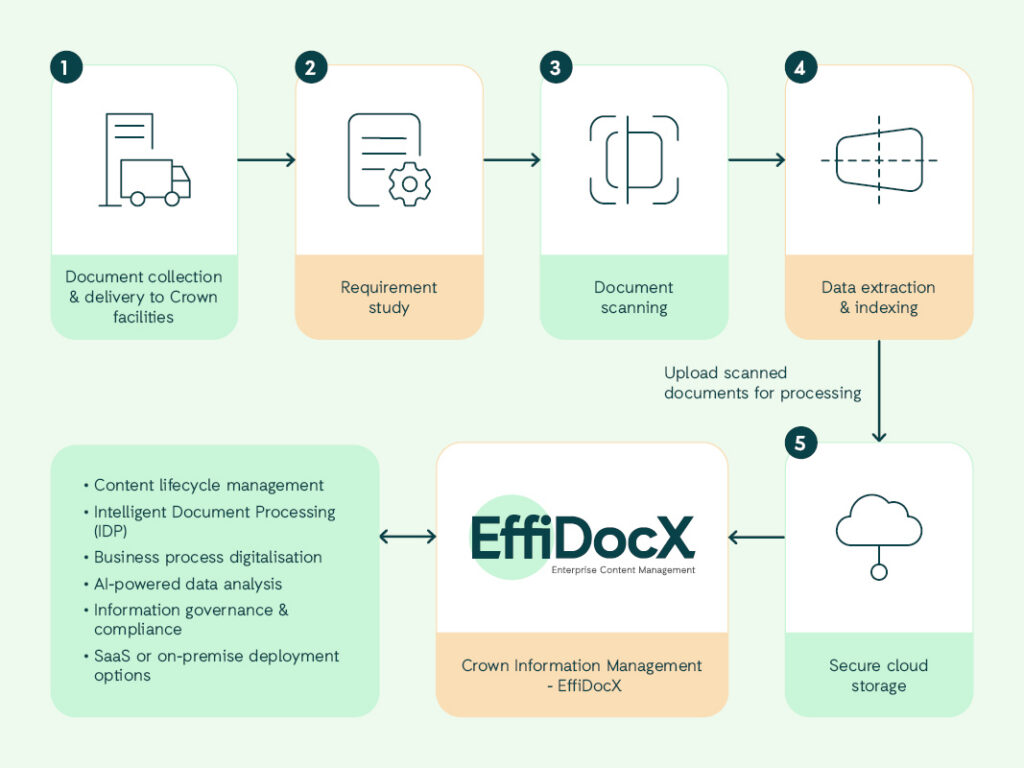
1. Document Collection and Transfer
Physical records are collected and moved through a controlled workflow.
2. Requirements Assessment
Document types, volume, indexing needs, and access requirements are reviewed.
3. Document Preparation
Files are sorted and prepared to support accurate scanning.
4. Scanning Process
Documents are digitized using professional-grade equipment.
5. OCR and Indexing
Files are made searchable and categorized for easier retrieval.
Key Benefits of Document Indexing
Improved Accessibility
Access documents more quickly across teams and locations without relying on manual searches or physical file retrieval.
Better Compliance Support
Maintain organized and traceable records that are easier to retrieve during audits or internal reviews
Reduced Storage Costs
Minimize reliance on physical storage space by converting paper records into digital formats that are easier to manage.
Business Continuity Protection
Protect important records from risks such as loss, damage, or disruption to physical storage environments.
Enhanced Data Security
Reduce risks associated with physical handling while applying controlled access to sensitive information.
Remote & Hybrid Work Support
With digitized cloud-ready document management, teams can collaborate more efficiently across remote or hybrid work environments.
Why Choose Our Document Scanning & Indexing Services
A practical approach to managing information with better access, control, and consistency.



-
s
- Managed processes for handling sensitive records
- Access-controlled digital environments
- Improved visibility over document usage
-
s
- Designed for bulk scanning and ongoing digitization
- Reduces manual document handling
- Supports faster access to information across teams
-
s
- Experience managing both physical and digital records
- Solutions tailored to different industries and document types
- End-to-end support from scanning to storage and retrieval
Compliance & Data Protection
Document scanning and indexing should be managed as part of a broader information governance strategy. Many records handled by organizations include personal data, financial documents, contracts, and internal business information that require careful control.
In the Philippines, organizations processing personal data must comply with the Data Privacy Act of 2012 (RA 10173) and its implementing rules. This includes implementing reasonable and appropriate organizational, physical, and technical security measures, limiting access to authorized personnel on a need-to-know basis, and keeping personal data only as long as necessary under documented retention periods.
Digitized records can support compliance by making information easier to manage and retrieve. When stored in a controlled system, organizations can apply access controls more consistently, and (where the platform supports it) maintain logs or audit trails to improve visibility over how documents are accessed and handled.
Disclaimer: This is general information, not legal advice. If you need specific guidance for your organization, consult a qualified professional.

Frequently Asked Questions
Timelines vary based on document volume, condition, and indexing requirements. A requirement assessment will define a clear schedule, with large projects phased to minimize operational disruption.
Files can be provided in PDF, searchable PDF, PDF/A (for archiving), TIFF, or other formats aligned with your system requirements.
Yes. Documents are managed under strict chain-of-custody controls, with restricted access and secure handling at every stage.
Digitized records improve control over retention, access, and audit trails, supporting compliance with the Philippines’ Data Privacy Act of 2012.
It is the process of converting physical documents into digital files that can be stored, organized, and retrieved more efficiently.
Yes, OCR technology allows scanned files to be searched using keywords or document content.
Yes, it is commonly used for archive conversion and ongoing document digitization.
This depends on your internal policies and regulatory requirements, as some original documents may still need to be retained.
Yes, document scanning solutions can be tailored based on document types, volume, and operational requirements.